Best Free Scholarly Databases in 2026 (Beyond Google Scholar)
Mar 12, 2026
Finding high quality academic papers should not require expensive journal subscriptions. While Google Scholar is widely used, it is far from the only option available to researchers.
Today, many powerful scholarly databases allow scientists, students, and academics to discover research papers, datasets, and scientific literature for free. Some focus on open access research, others provide powerful indexing tools, and newer platforms are beginning to integrate artificial intelligence to help researchers navigate the growing volume of scientific publications.
In this guide, we explore the best free scholarly databases in 2026 that researchers use to discover academic papers beyond Google Scholar.
Why Researchers Use Multiple Scholarly Databases
Relying on only one research database can limit the visibility of relevant literature. Different platforms index different journals, repositories, conference proceedings, and research outputs.
Using multiple scholarly databases helps researchers:
Discover papers not indexed elsewhere
Access open access versions of articles
Explore citation networks
Identify emerging research trends
Find interdisciplinary studies
As the number of global research publications continues to grow each year, using multiple databases has become an essential part of the modern research workflow.
Best Free Scholarly Databases in 2026
Here are some of the most widely used free scholarly databases available to researchers today.
Google Scholar
Google Scholar remains one of the most widely used academic search engines in the world. It indexes millions of scholarly articles, theses, books, conference papers, and patents across nearly every academic discipline.
Key advantages include:
Large coverage of academic literature
Citation tracking
Simple search interface
Integration with institutional access
However, Google Scholar does not always provide structured filtering or deeper research insights, which is why many researchers combine it with other platforms.
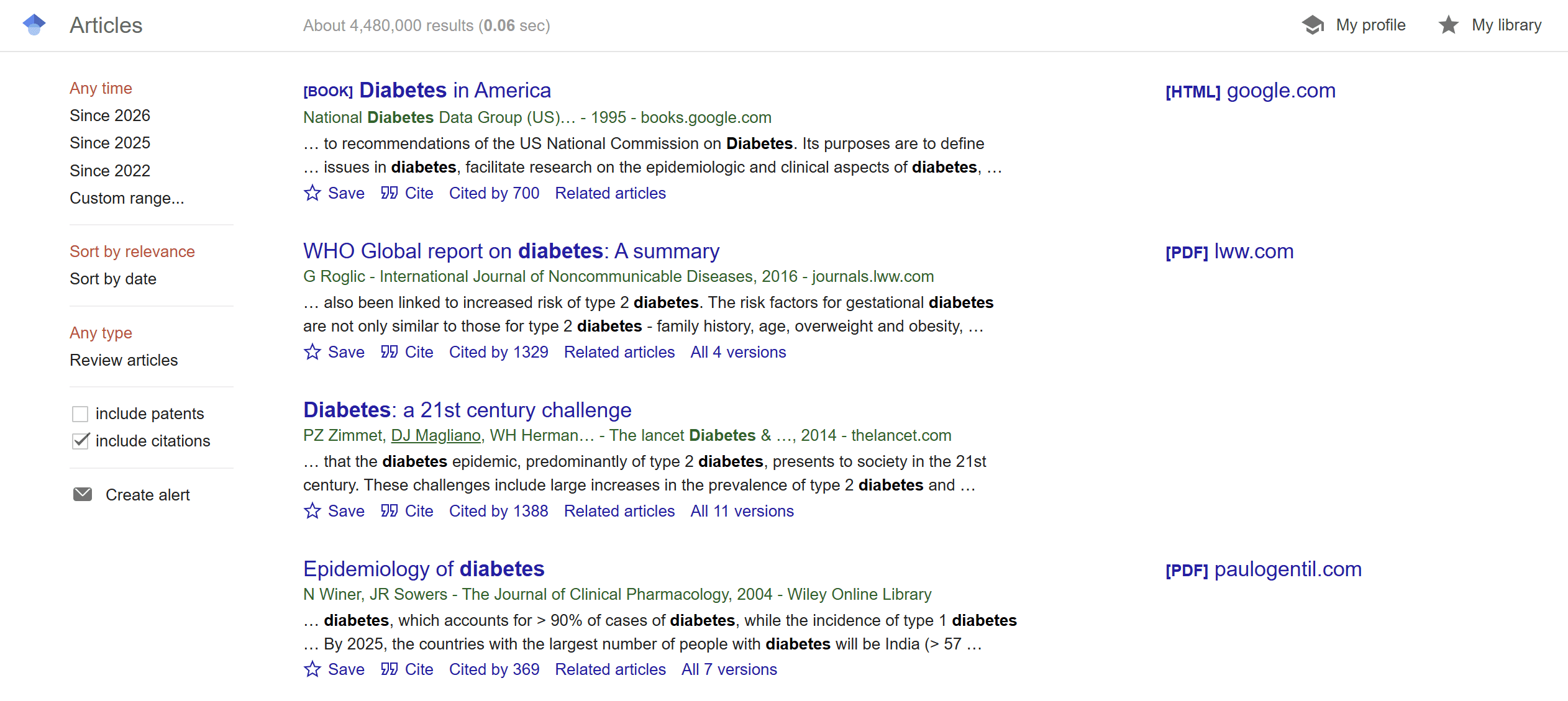
Caption: Google Scholar indexes millions of academic papers but often works best when used alongside other research databases.
PubMed
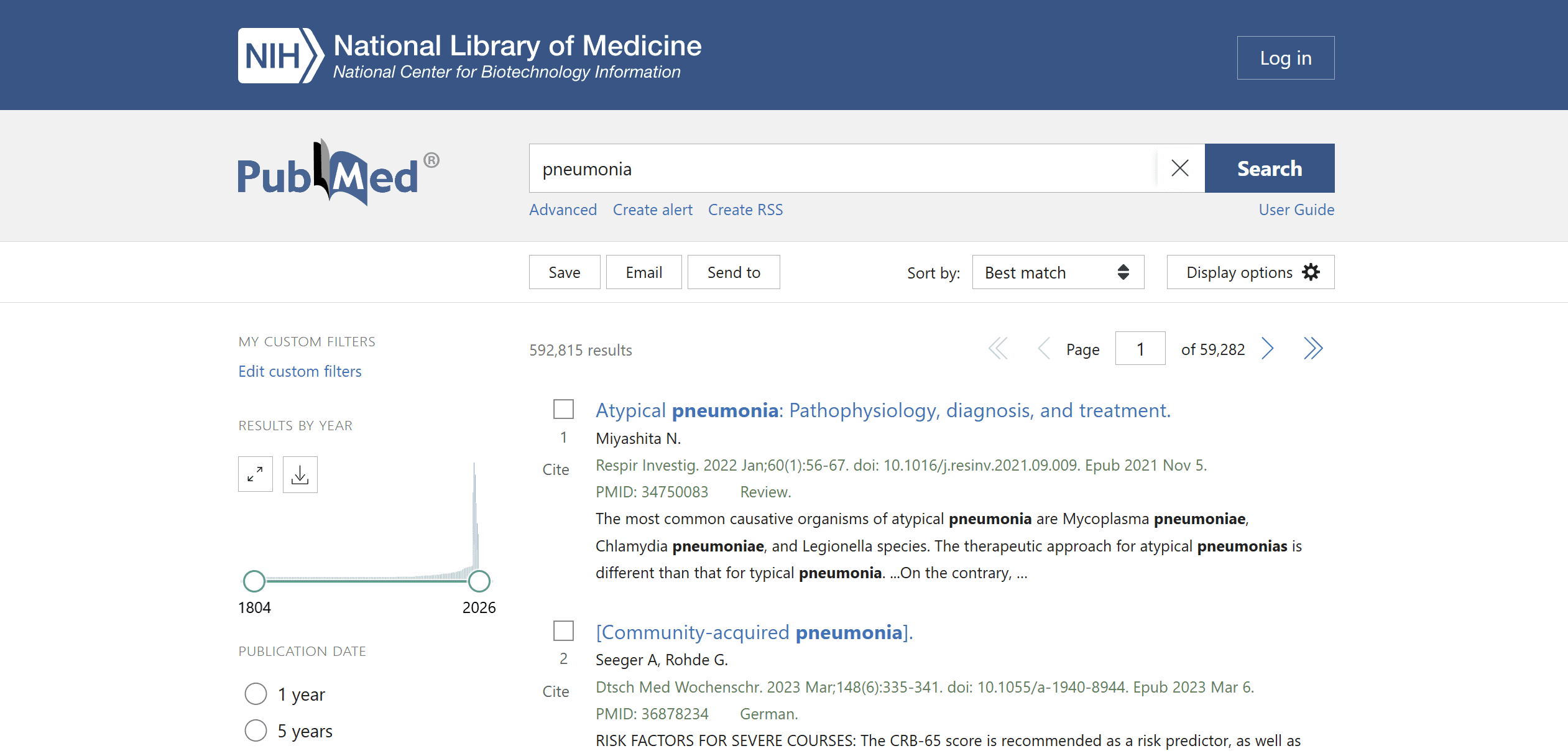
PubMed is one of the most important databases for biomedical and life sciences research. Maintained by the U.S. National Library of Medicine, it provides access to millions of citations and abstracts from medical and scientific journals.
Researchers in medicine, biology, and healthcare frequently use PubMed to find peer reviewed research articles, systematic reviews, and clinical studies.
It is particularly useful for topics related to clinical research, pharmacology, epidemiology, and biomedical sciences.
arXiv
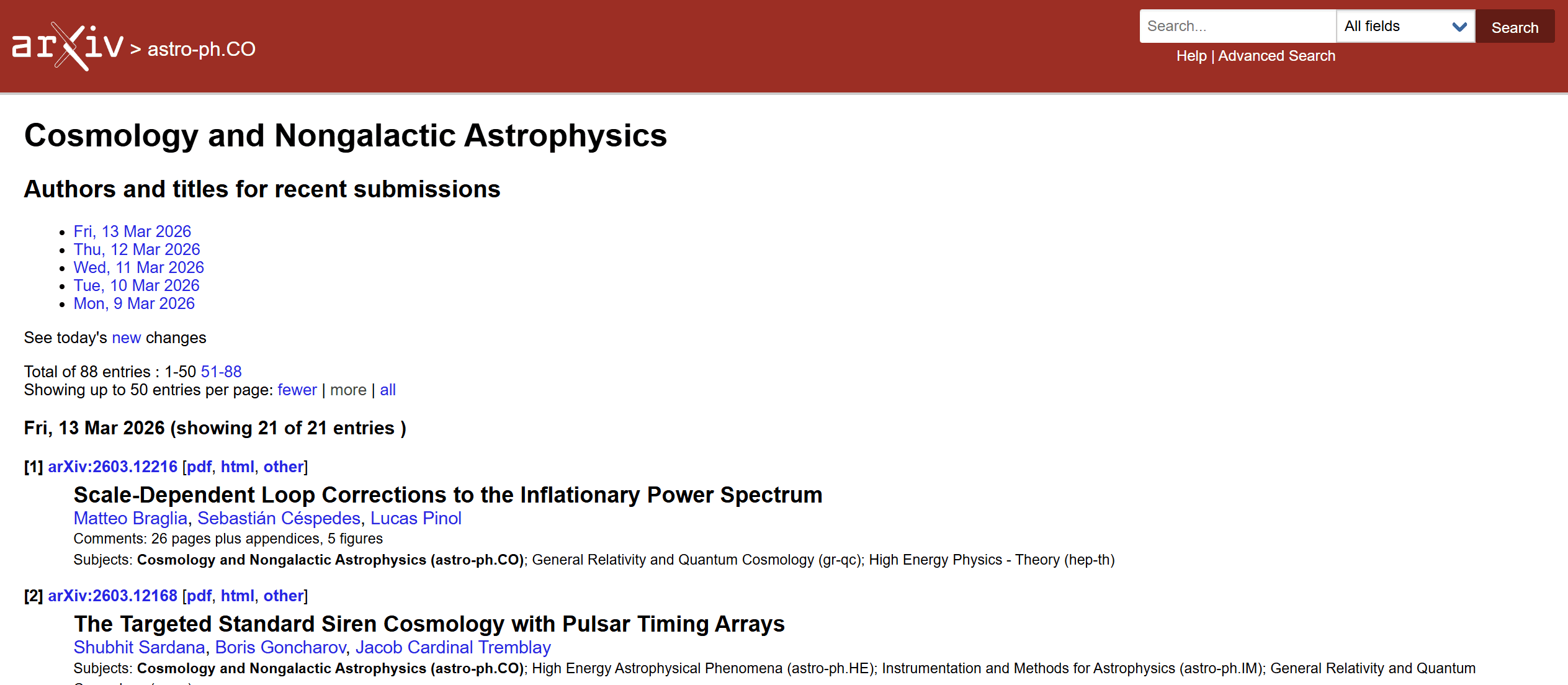
arXiv is a well known open repository for preprints in physics, mathematics, computer science, and related fields.
Researchers often publish early versions of their work on arXiv before formal journal publication. This allows rapid dissemination of scientific findings and early discussion within the academic community.
It is especially popular in fields such as artificial intelligence, theoretical physics, and computational science.
DOAJ (Directory of Open Access Journals)
The Directory of Open Access Journals is a curated database that focuses entirely on open access academic journals. It helps researchers find peer reviewed research that is freely accessible without paywalls.
The platform indexes thousands of journals across many disciplines including medicine, engineering, social sciences, and humanities.
For researchers looking specifically for legally free research papers, DOAJ is one of the most valuable resources available.
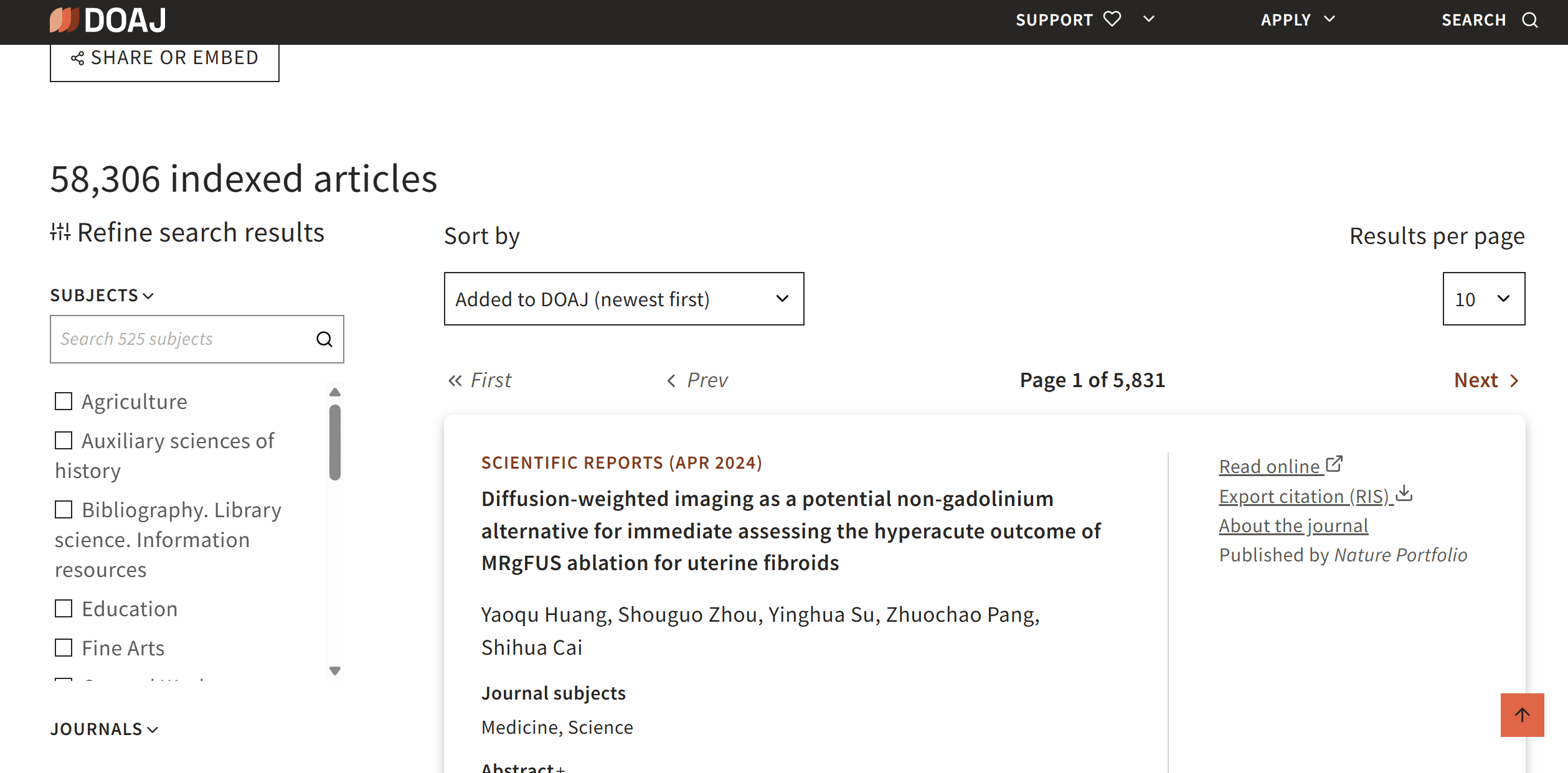
Caption: Open access databases allow researchers around the world to access scientific literature without subscription barriers.
Emerging Platforms That Combine Multiple Scholarly Databases
As the number of academic databases continues to grow, many researchers find themselves switching between multiple platforms such as Google Scholar, PubMed, arXiv, and open access repositories to locate relevant literature. This fragmented search process can slow down the research workflow, especially when trying to track citations, identify related papers, or explore emerging research topics across disciplines.
In response to this challenge, newer research discovery platforms are beginning to emerge that combine multiple scholarly databases into a single interface. PACR, for example, is a newer research discovery platform that aggregates large scale academic data sources and allows researchers to explore papers, citation networks, and related research topics from one place. Instead of searching each database separately, researchers can use a unified system to navigate scientific literature more efficiently while also leveraging AI powered tools designed to help summarize papers and identify potential research gaps.
As academic publishing continues to expand globally, platforms that integrate multiple databases with intelligent research tools are likely to play an increasingly important role in how researchers discover, analyze, and build upon scientific knowledge.
How AI Is Changing Research Discovery
The rapid growth of scientific publications has made it increasingly difficult for researchers to manually review large volumes of literature.
Artificial intelligence powered research tools are now emerging to help researchers summarize papers, analyze findings across multiple studies, and identify potential research gaps.
These tools are helping researchers move from simply searching for papers to actually understanding the scientific literature much faster.
The Future of Scholarly Databases
Scholarly databases are evolving beyond simple search engines. New platforms are integrating artificial intelligence, citation analytics, and personalized research recommendations.
Future research discovery platforms will likely combine large scale academic databases, AI research assistants, collaboration tools, and advanced research analytics.
This shift is transforming how researchers explore scientific knowledge.
Conclusion
Google Scholar remains a useful starting point for research discovery, but relying on a single database can limit the depth of literature exploration.
By combining multiple scholarly databases such as PubMed, arXiv, and DOAJ, researchers can discover a broader range of studies and access more open research.
As academic publishing continues to expand globally, tools that improve research discovery will play an increasingly important role in helping scientists navigate the growing scientific literature.